Your cart is empty
Tax included and shipping calculated at checkout

Drawer menu
Tax included and shipping calculated at checkout

Last Updated: September 12, 2026
Curly hair has specific needs that generic formulas rarely meet, and finding products that hydrate without weighing down the curl pattern is the central challenge. This guide from Giluxe evaluates organic hair care by ingredient sourcing, absorption, and how each formula performs on textured hair over time.

The criteria that matter most:
The common mistake is buying based on the front label. In the U.S., "natural" and "organic" carry no legal definition in most personal care categories, so a product can claim both while still containing silicones that coat the hair (the FDA). The only reliable filter is the back label, specifically the INCI (International Nomenclature of Cosmetic Ingredients) list.
Here is the reading order that separates a real botanical formula from a marketing one:
Straight hair can tolerate a silicone coating because the cuticle lies flat and the coating is easy to clarify off. Curly and coily patterns have an open, overlapping cuticle structure that traps product residue at the bends. That residue accumulates faster, blocks moisture from entering the cortex, and is the single most common reason a curly-hair routine stops working after a few weeks. Reading the INCI list is not a purist exercise, it is the mechanism by which you keep the curl pattern hydrated.
USDA Organic personal care standards
NSF/ANSI 305 certification for personal care products
Giluxe offers formulas that target specific curly-hair problems: scalp nourishment, definition, or lightweight hydration. The table below maps each product to its primary use case and price.
| Product | Best For | Key Ingredients | Price |
|---|---|---|---|
| Organic Hair Growth Oil | Scalp nourishment, breakage | Rosemary, castor, jojoba, argan | $24.99 |
| Luxury Organic Hair Pomade | Curl definition, frizz | Shea butter, castor, olive oil | $19.99 |
| Hydrating Tonic for Hair | Lightweight moisture mist | Rosemary, ginger, avocado seed | $21.99 |
| Hair Growth Oil & Pomade Set | Daily curl care value | Oil and pomade pairing | $40.99 |
| Hydrating Tonic & Hair Growth Oil Duo | Scalp health and hydration | Tonic and oil pairing | $42.98 |
| Hydrating Tonic & Pomade Duo | Styling and refresh | Tonic and pomade pairing | $39.99 |
Scalp health drives curl health, and this oil is built around that principle. The formula blends rosemary, castor, olive, jojoba, argan, coconut, and tea tree oils with vitamin E, all selected for moisture retention and elasticity support on dry, brittle strands.

What separates it from most growth oils is absorption. A common complaint about botanical oils is that they sit on the surface and leave a greasy film. This one is lightweight enough for daily or weekly use without heavy buildup, which matters if you have low-porosity hair that resists product.
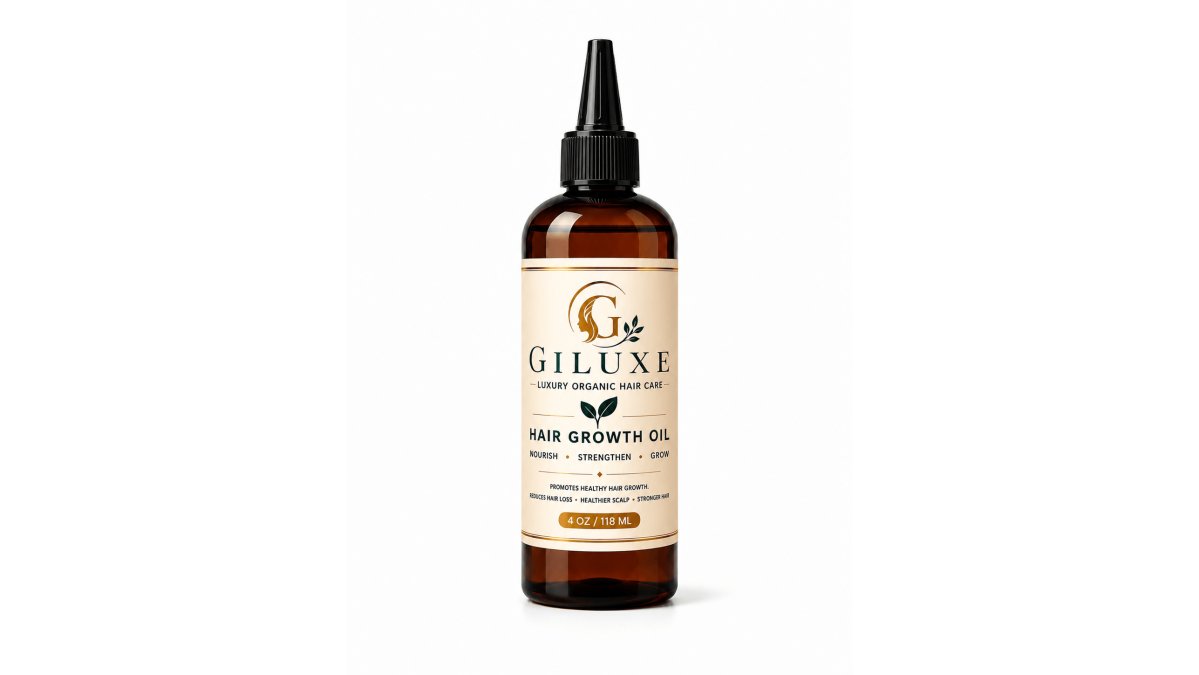
Where it falls short: if you want instant definition, this is not a styling product. It nourishes and strengthens, but it will not hold a curl shape on its own.
Definition without stiffness is the hard part of styling curly hair, and this pomade gets closer than most. Shea butter and castor oil provide the moisture base, while the formula delivers flexible hold that keeps shape through the day without the flaking that plagues gel-based products.
For edge control and flyaways, a small amount goes a long way. The finish is polished rather than wet, which suits anyone who wants definition that still looks natural. It works across curly, coily, wavy, and loc styles.
The drawback: heavy-handed application will weigh down fine curls. Start with a pea-sized amount and build.
Refresh days need hydration without re-wetting the whole head, and this mist solves that. Rosemary, ginger, cinnamon, clove, and avocado seed extracts deliver moisture to the scalp and strands in a fast-drying spray that will not disturb your existing style.
It is also the most versatile product in the lineup. Use it on second-day curls, under a wig or braids, or as a scalp treatment between wash days. The non-greasy finish means no buildup, even with daily use.
Honest limitation: a mist alone will not repair significant breakage. Pair it with an oil or pomade for real moisture retention.
Buying the oil and pomade together saves money and covers the two core steps of a curly routine: nourish the scalp, then define the style. Each bottle is 4 oz (118 mL), which is a realistic supply for daily use.
This is the pick for someone building a routine from scratch. The oil handles moisture retention and breakage; the pomade handles definition and frizz. Together they replace three or four single-purpose products.
The tradeoff is commitment. If you only need one function, buy the single product instead.
For scalps that feel tight, dry, or flaky, this pairing targets the root cause rather than the symptom. The 8 oz tonic refreshes and hydrates the scalp, then the 4 oz oil locks in moisture and nourishes the follicles.
This is a routine that can be considered for anyone dealing with both dryness and thinning concerns, since scalp condition affects how well hair grows. Use the tonic first on damp hair, follow with the oil, and repeat two to three times weekly.
One caveat: this duo is about scalp and strand health, not styling. Add a pomade if you need hold.
Styling-focused buyers get the most from this pair. The tonic preps and hydrates, the pomade defines and holds, and together they cover a full wash-and-go routine without a separate leave-in.
It suits curly, coily, wavy, and straight hair, and the flexible hold means no crunch. For anyone who refreshes curls more often than they deep condition, this is the more practical duo.
The honest catch: it skips the intensive scalp treatment that the oil provides, so if breakage is your main concern, choose a set that includes the oil.
The best organic hair care for curls focuses on moisture retention and gentle cleansing. Look for sulfate-free, silicone-free formulas with botanical extracts like shea butter, coconut oil, and aloe vera. Giluxe offers a full range of organic hair care products, including the Organic Hair Growth Oil for scalp nourishment and the Luxury Organic Hair Pomade for curl definition. These botanical-based formulas absorb without heavy buildup and suit all curl patterns from wavy to coily.
Avoid sulfates, silicones, parabens, and synthetic fragrances. Sulfates strip natural oils, leaving curls dry and prone to frizz. Silicones coat the hair shaft and cause buildup that weighs down curl pattern. Parabens and synthetic fragrances can irritate sensitive scalps. Instead, choose products with botanical extracts, essential oils, and natural oils like jojoba, argan, and coconut oil. These support moisture retention and scalp health without disrupting your curl pattern.
Start by replacing one product at a time, beginning with your shampoo. Use a sulfate-free, pH-balanced cleanser to remove buildup without stripping moisture. Expect a two to four week transition period where your hair may feel dry or unruly as it adjusts. During this time, incorporate deep conditioning treatments and organic hair serums for curly hair to restore hydration. Co-washing between regular washes helps maintain moisture retention and curl elasticity.
Organic hair care products can be effective when formulated correctly. Botanical ingredients like shea butter, coconut oil, and aloe vera provide lasting hydration and frizz control. The key is choosing products with the right protein-moisture balance for your hair porosity. Many users find that organic formulas absorb better without leaving greasy residue, and they support scalp health over time by avoiding harsh synthetic ingredients.
Check the ingredient list for recognizable botanical extracts and natural oils listed near the top. Look for third-party certifications such as USDA Organic or NSF Certified Organic. A trustworthy brand lists every ingredient clearly and avoids vague terms like 'natural fragrance.' Giluxe uses premium botanical ingredients including rosemary, castor oil, jojoba, argan, and shea butter. Ingredient safety verification means reading labels carefully and prioritizing brands that disclose their full formulation.


