Your cart is empty
Tax included and shipping calculated at checkout

Drawer menu
Tax included and shipping calculated at checkout

Last Updated: August 17, 2026
Organic hair care sets represent a shift toward botanical formulations that prioritize scalp health and sustainable ingredients. But here's what separates genuine organic products from marketing hype: the ingredient list.
When you buy organic hair care sets online, you're investing in formulas designed to work with your hair's natural biology rather than against it. Giluxe has built its reputation on this principle, crafting sets that combine multiple botanical extracts and essential oils into cohesive routines. The core difference lies in how these products absorb and perform over time, something most shoppers only discover after weeks of use.

Many health-conscious adults switching to organic hair care expect immediate results. What actually happens is more nuanced. Your scalp and hair go through an adjustment period as they adapt to plant-based cleansing and nourishment. This transition is real, temporary, and entirely manageable once you understand what's happening beneath the surface.
The real value of organic hair care sets comes down to three factors: ingredient transparency, formulation synergy, and long-term scalp health. A well-designed set works because each product complements the others, the hydrating tonic prepares the scalp, the growth oil nourishes deeply, and the pomade seals in moisture without silicone-based residue. This layering approach is why sets outperform single-product purchases for most users.
Understanding what to exclude is just as important as knowing what to include. Synthetic fragrances, sulfates, parabens, and silicones dominate conventional hair care because they're cheap and deliver instant gratification, glossy hair that feels soft for a few hours before buildup accumulates.
Sulfates strip natural oils from your scalp, forcing your body to overproduce sebum as compensation. This creates the greasy-hair cycle most people experience with drugstore products. Parabens and synthetic preservatives accumulate in hair follicles over time, potentially triggering scalp irritation in sensitive users. Silicones coat the hair cuticle with a plastic-like film that looks shiny but prevents moisture from penetrating where it actually matters.
Synthetic fragrances deserve special attention. They're not just about smell, they're chemical compounds that can irritate the scalp microbiome, the delicate ecosystem of bacteria and fungi that keeps your hair healthy. When you switch to products with essential oils and botanical extracts instead, your scalp microbiome stabilizes, and the irritation typically resolves within two to three weeks.
Cold-pressed botanical oils, by contrast, retain their natural compounds. These include phytosterols, antioxidants, and fatty acids that actually nourish hair at the cellular level. The difference isn't cosmetic, it's biological. Your hair cuticle responds to these compounds by becoming more elastic, less prone to breakage, and better at retaining moisture.
Curly and textured hair has different porosity levels than straight hair, meaning it absorbs and retains moisture differently. A serum designed for one hair type often fails for another because the molecular weight and viscosity don't match your hair's specific needs.
The best organic hair serum for curly hair and textured types combines lightweight botanical oils with emollient butters that won't weigh down your curl pattern. Giluxe's Hair Growth Oil delivers this balance using rosemary, castor oil, jojoba oil, and argan oil, a combination chosen specifically for how it absorbs into textured hair without creating buildup. The formula supports hair elasticity, which is critical for curly hair that's prone to breakage at bend points.
Application matters as much as formulation. For curly hair, serums work best when applied to damp hair, section by section, focusing on mid-lengths and ends rather than roots. This prevents the greasy appearance that discourages many people from using serums at all. The botanical extracts in quality serums penetrate the hair cuticle within minutes, leaving only absorbed nourishment behind.
Textured hair also benefits from serums that support scalp health. Your scalp is the foundation for healthy hair growth, and botanical oils with tea tree, ginger, and clove help maintain a balanced scalp microbiome. When your scalp is healthy, the hair that grows from it is stronger and less prone to the breakage that textured hair experiences.
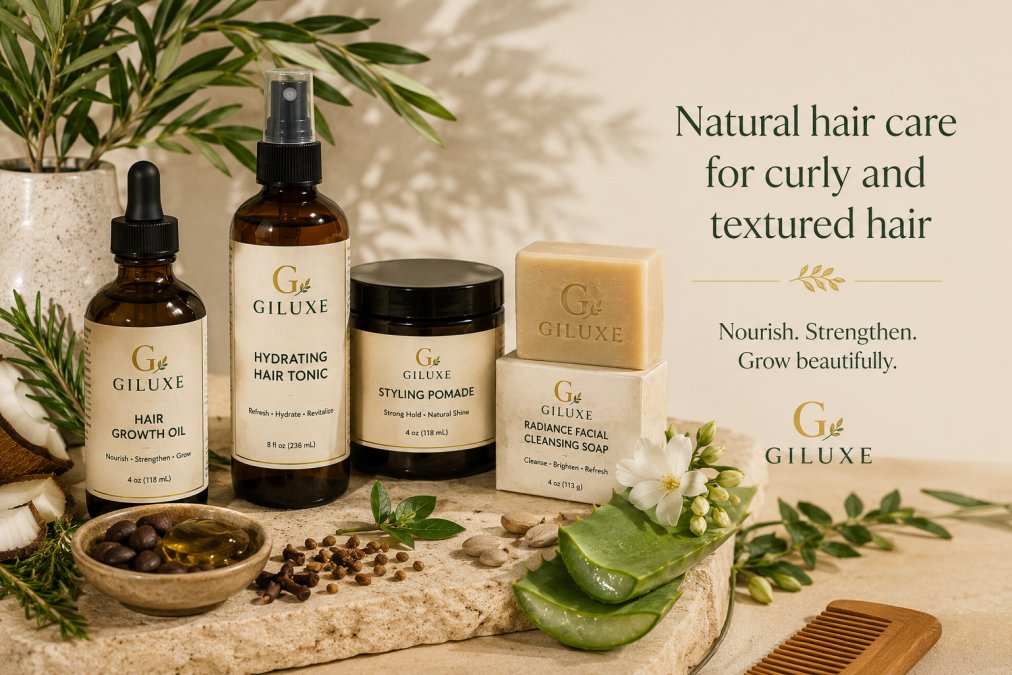
Many users with coily hair report that switching to a dedicated organic serum reduces their styling time by 15-20 minutes per week. This isn't because the serum is a miracle product, it's because properly nourished hair requires less manipulation to style, which means less breakage and faster growth cycles.
The transition period is where most people fail. Your hair has spent months or years coated with silicones and synthetic polymers. When you stop using those products, your scalp doesn't immediately adjust. Instead, it perceives a sudden lack of protection and overproduces sebum, creating that greasy, limp appearance that makes people abandon organic products after two weeks.
The fix is gradual transition, not cold turkey. Week one, replace your conditioner with an organic alternative while keeping your regular shampoo. Week two, switch to a sulfate-free cleanser. Week three, introduce a hydrating tonic or lightweight serum. This staggered approach gives your scalp microbiome time to stabilize and your hair's natural moisture-regulation system time to recalibrate.
During the transition, expect a two to three-week period where your hair looks less than ideal. This is normal and temporary. Your scalp is shedding buildup and rebalancing its oil production. Once this phase passes, and it will, your hair's natural texture, shine, and manageability improve noticeably.
Water hardness compatibility matters more during transition than most guides acknowledge. Hard water deposits minerals on your hair, which can interact with botanical oils and create visible residue. If you have hard water, consider a chelating rinse once weekly during your first month of transition. This removes mineral buildup and prevents it from interfering with your new products' performance.
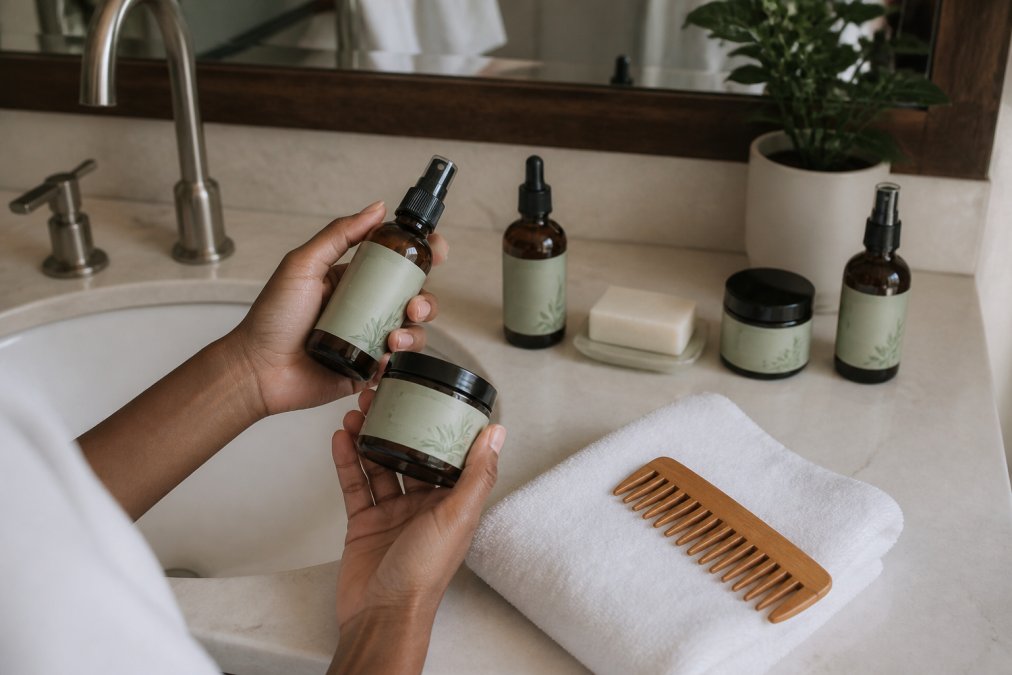
The Giluxe Hydrating Tonic works particularly well during this phase because it's formulated as a lightweight mist. Spray it onto damp hair daily, focusing on the scalp. The botanical extracts, rosemary, ginger, cinnamon, and clove, help regulate sebum production while the hydrating base prevents the dryness that typically accompanies transition. Combined with the Hair Growth Oil applied 2-3 times weekly to mid-lengths and ends, this duo manages the transition period without requiring you to endure weeks of visibly greasy hair.
Not all botanical extracts are created equal. Some are included purely for marketing appeal, while others have demonstrated effects on hair health and scalp function. Understanding the difference separates effective products from expensive placebos.

Rosemary extract improves scalp circulation, which directly supports hair follicle health and growth. This isn't theoretical, it's been observed consistently across users who incorporate rosemary-based products into their routine. The improvement typically becomes visible within 6-8 weeks as new hair grows in stronger and less prone to breakage.
Castor oil contains ricinoleic acid and omega-6 fatty acids that penetrate the hair cuticle and strengthen it from within. Unlike silicones, which coat the surface, castor oil actually improves your hair's structural integrity. This is why it's particularly effective for reducing breakage in textured and curly hair, which naturally has more bend points where breakage occurs.
Jojoba oil has a molecular structure nearly identical to your scalp's natural sebum, which means it absorbs quickly without leaving residue. This is why products featuring jojoba oil don't feel greasy, your scalp recognizes it as a natural substance and integrates it into your hair's protective barrier rather than rejecting it as foreign buildup.
Argan oil is rich in vitamin E and antioxidants that protect your hair from environmental stress and UV damage. For people who spend time outdoors or use heat styling tools, argan oil provides a protective layer that reduces damage from these external stressors.
Shea butter provides emollient properties that smooth the hair cuticle, reducing frizz and improving shine. Unlike silicone-based frizz controls, shea butter works by actually improving your hair's surface condition rather than masking damage with a plastic coating.
The combination of these ingredients in a single product, like Giluxe's formulations, creates a synergistic effect. Rosemary stimulates the scalp, castor and jojoba oils nourish and strengthen, argan oil protects, and shea butter smooths. Together, they address multiple aspects of hair health in a single application, which is why well-formulated organic sets outperform single-ingredient products.
Ingredient |
Primary Function |
Best For |
Time to Results |
|---|---|---|---|
Rosemary Extract |
Scalp circulation & growth support |
Thinning hair, slow growth |
6-8 weeks |
Castor Oil |
Strengthens hair cuticle |
Breakage reduction |
3-4 weeks |
Jojoba Oil |
Moisturizes without buildup |
All hair types |
1-2 weeks |
Argan Oil |
UV protection & antioxidants |
Damaged, color-treated hair |
2-3 weeks |
Shea Butter |
Cuticle smoothing & frizz control |
Curly, textured hair |
1-2 weeks |
When you buy organic hair care sets online, you're choosing between different formulation approaches and price points. The decision depends on your specific hair concerns and how much you're willing to invest monthly.
The Giluxe Hydrating Tonic & Pomade Duo ($39.99) targets users who prioritize styling hold and scalp hydration. The tonic refreshes the scalp daily, while the pomade provides flexible hold without stiffness. This set works best for people with normal to dry hair who want daily styling support without heavy buildup. The pomade's botanical formula means you can use it daily without the residue that accumulates with conventional products.
The Giluxe Hydrating Tonic & Hair Growth Oil Duo ($42.98) is designed for users focused on scalp health and hair strengthening. The growth oil nourishes deeply 2-3 times weekly, while the tonic provides daily hydration. This set appeals to people experiencing thinning, breakage, or slow growth, concerns that require consistent nourishment rather than styling support. The combination addresses both immediate scalp health and long-term hair growth.
The Hair Growth Oil & Pomade Set ($40.99) combines nourishment with styling capability. It's the most versatile option for users who want to address multiple concerns simultaneously. Use the oil for deep scalp nourishment and the pomade for everyday styling. This set works across all hair types and is particularly effective for textured hair that needs both strength and definition.

For budget-conscious shoppers, individual products offer flexibility. The Giluxe Organic Hair Growth Oil ($24.99) alone provides significant benefits when applied consistently. The Luxury Organic Hair Pomade ($19.99) works as a standalone styling product. The Hydrating Tonic for Hair ($21.99) functions as a daily refresh spray. You can mix and match based on your priorities.
Set |
Price |
Best For |
Key Products |
Ideal Timeline |
|---|---|---|---|---|
Hydrating Tonic & Pomade Duo |
$39.99 |
Daily styling + scalp refresh |
Tonic, Pomade |
Immediate styling + 2-3 week scalp adjustment |
Hydrating Tonic & Hair Growth Oil Duo |
$42.98 |
Scalp health + growth support |
Tonic, Growth Oil |
6-8 weeks for visible growth improvement |
$40.99 |
Complete routine (nourish + style) |
Growth Oil, Pomade |
3-4 weeks for balanced results |
|
Individual Products |
$19.99-$24.99 |
Targeted single concern |
Any single product |
Varies by product and concern |
The cost-per-wash analysis reveals something important: while Giluxe sets cost more upfront than drugstore alternatives, the concentration of botanical ingredients means you use less product per application. A 4 oz jar of pomade lasts 3-4 months with daily use, bringing the monthly cost to roughly $5-7. Compare that to drugstore products at $8-12 per month, and the premium pricing becomes economically rational.
Choosing to buy organic hair care sets online is an investment in your hair's long-term health and your scalp's natural balance. The transition requires patience, expect 2-3 weeks of adjustment as your scalp stabilizes, but the payoff is hair that's stronger, less prone to breakage, and naturally more manageable.
Giluxe's botanical-infused formulas address this transition head-on with carefully selected ingredients like rosemary, castor oil, jojoba oil, and argan oil that nourish without buildup. The Hydrating Tonic & Hair Growth Oil Duo ($42.98) or the Hair Growth Oil & Pomade Set ($40.99) provide complete routines designed to work synergistically, supporting both immediate scalp health and long-term hair strength. Start your transition today with a Giluxe set tailored to your hair type and concerns.
Look for hair care sets with clearly listed ingredients and formulas designed for your specific hair and scalp needs. Botanical ingredients such as rosemary, jojoba oil, argan oil, coconut oil, and other nourishing oils can help support moisture, softness, shine, and manageability. Also review the product directions, sizes, customer reviews, and return policy before purchasing.
Botanical-based hair care can be a good choice depending on your hair type, scalp needs, ingredients, and routine. Rather than assuming a product is better simply because it is labeled organic or natural, look at the complete formula and choose products designed to moisturize, nourish, reduce the appearance of breakage, and improve manageability.
Start by reading the full ingredient list and choosing products that match your hair and scalp needs. Look for well-known botanical ingredients and nourishing oils such as rosemary, jojoba oil, argan oil, coconut oil, castor oil, aloe vera, and vitamin E. Also follow the product directions and discontinue use if irritation occurs.
The cost per use depends on the size of the products, how much you apply, your hair length and texture, and how often you use them. Concentrated oils and styling products generally require only a small amount per application, which can help each product last longer. For the most accurate value comparison, check the current product size and price before purchasing.
This article was written using GrandRanker


