Your cart is empty
Tax included and shipping calculated at checkout

Drawer menu
Tax included and shipping calculated at checkout

Last Updated: September 1, 2026
Sustainable luxury beauty brands prioritize both ingredient integrity and environmental responsibility, creating products that work beautifully while respecting the planet. The definition goes beyond marketing language, it reflects genuine commitment to botanical sourcing, transparent supply chains, and thoughtful packaging choices. At Giluxe, we understand that today's discerning consumers demand more than promises; they want evidence of real practices woven into every product.
Premium botanical formulations start with ingredient sourcing that matters. Clean beauty means avoiding synthetic fillers, heavy silicones, and harsh chemical residues that build up on hair and skin over time (the FDA). Instead, sustainable luxury brands rely on plant-based actives: rosemary for scalp vitality, jojoba oil for deep hydration, argan oil for nourishment, and coconut oil for natural moisture retention.
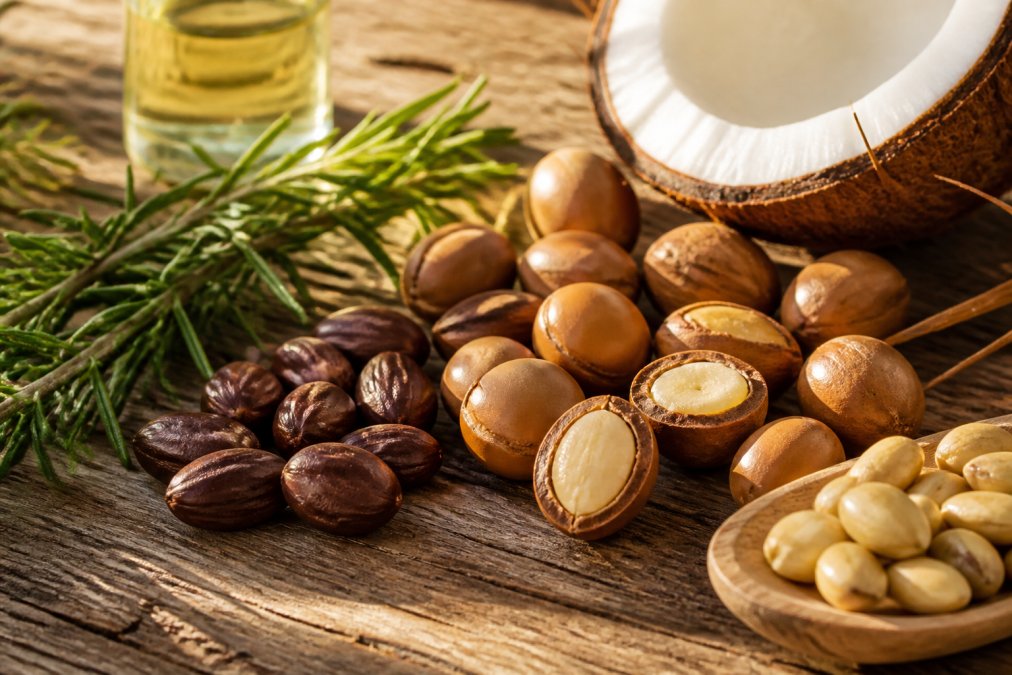
The difference between botanical and synthetic becomes obvious when you examine absorption rates. A well-formulated botanical oil absorbs cleanly into the scalp without leaving greasy residue or buildup. This is the mark of a luxury brand that understands hair science, not just the marketing of "natural." Giluxe's Organic Hair Growth Oil combines rosemary, castor oil, and argan oil specifically to nourish the scalp while remaining lightweight enough for daily use.

What makes a formulation truly sustainable isn't just what goes into the bottle, it's the intentional design that eliminates waste. Concentrated actives mean smaller bottles deliver more value, reducing packaging and shipping footprint. Waterless formulations (also called anhydrous) eliminate water as filler, making every ingredient count.
Transparency separates genuine sustainable brands from greenwashing. Real luxury beauty companies disclose their sourcing practices, manufacturing locations, and ingredient origins. Third-party certifications, while not mandatory, signal accountability. Look for certifications from recognized bodies, though understand that certification itself isn't a guarantee of superiority.
The most trustworthy brands publish detailed information about where ingredients come from and how they're processed. They're willing to explain why they chose specific suppliers and what "organic" or "natural" actually means for their particular formula. This level of openness builds consumer confidence in ways that vague marketing claims never can.
Giluxe maintains transparency about botanical ingredients and their roles in each formula. Rather than hiding behind proprietary blends, we specify what's in our products and why those ingredients matter for your hair and skin health.
The clean beauty landscape has evolved significantly. Consumers now understand that "natural" doesn't automatically mean effective, and "organic" doesn't guarantee sustainability. The real trend is performance-driven clean beauty, formulas that deliver visible results while maintaining ethical standards throughout production and packaging.
Waterless beauty products are gaining momentum because they're genuinely more sustainable and often more potent. By removing water as a base, brands can concentrate active ingredients, meaning smaller bottles deliver equivalent results to larger water-based products. This reduces plastic waste, shipping emissions, and storage space.
Concentrated actives also mean less reliance on preservatives. Water-based formulas require antimicrobial systems to prevent bacterial growth; waterless formulas naturally resist contamination (peer-reviewed research). Consumers benefit from cleaner ingredient lists and more powerful botanical concentrations.
The Giluxe Hydrating Tonic for Hair uses a concentrated botanical mist approach, delivering hydration through a lightweight spray rather than a heavy cream or oil. This format works across all hair types without the buildup issues that plague traditional moisturizers.

Refillable packaging represents a genuine shift toward circular beauty. Rather than discarding containers, customers can refill them with new product, dramatically reducing plastic waste. Minimal packaging, removing excess boxes, cushioning, and decorative elements, reflects a brand's commitment to reducing environmental impact at every stage.
Glass containers, aluminum, and post-consumer recycled plastics are becoming standard for luxury brands serious about sustainability. The packaging itself becomes part of the product experience, elegant, functional, and designed to last.
Selecting sustainable luxury beauty brands requires evaluating multiple factors beyond marketing claims. Real decision-making involves examining ingredient quality, supply chain practices, and how well products actually perform for your specific needs.
Start by reading ingredient lists carefully. Ingredients are listed by concentration, so the first five items make up the bulk of the formula (the FDA). For sustainable brands, you should see botanical oils, plant extracts, or natural butters near the top, not water, silicones, or synthetic polymers.
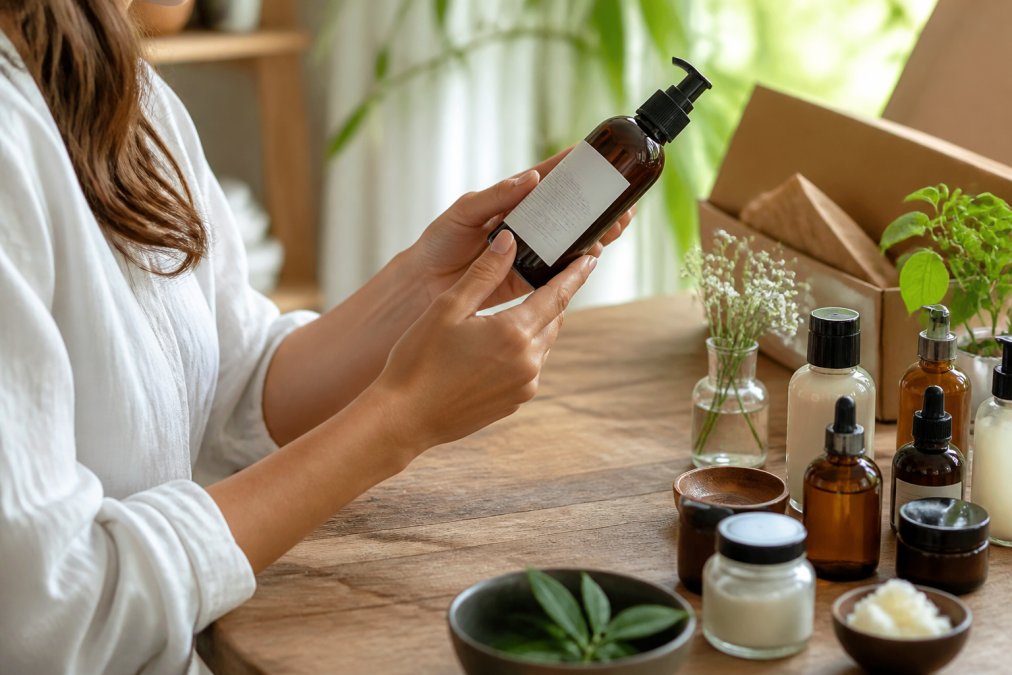
Quality botanical ingredients cost more than synthetic alternatives. This is why genuine sustainable luxury brands command higher prices. If a brand claims botanical formulations but prices match drugstore products, the botanical content is likely minimal.
Consider your specific hair or skin concerns. Textured, curly, or coily hair benefits from heavier botanical oils like coconut and castor. Fine or thin hair needs lightweight options like jojoba or argan. Sensitive skin responds better to minimal ingredient lists with proven soothing botanicals like chamomile or tea tree oil.
Giluxe's Luxury Organic Hair Pomade uses shea butter and botanical oils to provide hold without the synthetic polymers that create flaking or stiffness. For those with textured hair seeking breakage repair, the Organic Hair Growth Oil delivers deep nourishment specifically formulated for scalp health.

Ethical sourcing means knowing where ingredients originate and how suppliers treat workers and land. Sustainable brands can articulate their supply chain relationships. They know which farms or regions produce their rosemary, who harvests their argan oil, and what labor standards are maintained.
Ask brands directly about their sourcing practices. Legitimate companies have detailed answers. Vague responses or deflection suggest the brand hasn't invested in genuine supply chain transparency.
Environmental impact extends beyond ingredients to manufacturing practices. Energy-efficient production, water conservation, and waste reduction during manufacturing reflect a brand's true commitment to sustainability. Some brands publish environmental impact reports; others are transparent upon request.
When evaluating sustainable luxury beauty brands 2026, consider brands that combine botanical excellence with genuine sustainability practices. The following represent different approaches to premium, responsible beauty.
Botanical hair care formulas work across diverse hair types when formulated with understanding of different moisture needs and texture challenges. Luxury brands in this space recognize that curly, coily, wavy, and straight hair each require specific botanical combinations.
Giluxe's approach centers on lightweight botanical nourishment that absorbs without buildup. The Hydrating Tonic for Hair uses botanical ingredients like rosemary, ginger, and cinnamon to refresh the scalp and improve manageability. Paired with the Organic Hair Growth Oil, this duo addresses both daily hydration and deeper scalp nourishment.
The Luxury Organic Hair Pomade balances strong hold with botanical moisture. Rather than using synthetic resins that create flaking or stiffness, it relies on shea butter and plant-based oils to define style while keeping hair soft and touchable.
Sustainable skincare demands the same botanical integrity as hair care. Facial cleansers, serums, and moisturizers formulated with clean ingredients and responsible sourcing set the standard for luxury beauty.
Giluxe's Radiance Facial Cleansing Soap combines kojic acid, turmeric, jojoba oil, tea tree oil, and vitamin E to address multiple skin concerns, clarifying while nourishing. This single bar approach reduces packaging waste while delivering multifunctional benefits.
Sustainability without performance is marketing. Real luxury beauty brands deliver visible results, stronger hair, clearer skin, improved texture, while maintaining ethical practices. Consumers rightfully expect that paying premium prices means getting premium effectiveness.
This is where many sustainable brands miss the mark. They prioritize environmental messaging over formula quality, resulting in products that feel good to buy but underperform on actual results. The best sustainable luxury brands refuse this trade-off. They invest in botanical research, optimize concentrations, and test formulas rigorously to ensure they work.
Performance-driven sustainability means understanding that a product used consistently delivers more value than an eco-friendly product abandoned after disappointing results. Durability, efficacy, and actual consumer satisfaction are part of the sustainability equation.
A sustainable beauty routine balances multiple products addressing specific concerns while minimizing overall consumption. Rather than buying numerous single-purpose items, curate a focused collection of multi-functional, high-quality products.
Start with cleansing and hydration as your foundation. A quality cleanser removes impurities without stripping natural oils. A hydrating tonic or lightweight moisturizer restores balance. From there, add targeted treatments for specific concerns, scalp nourishment, breakage repair, or skin clarification.
Giluxe's bundled sets simplify routine-building. The Hydrating Tonic & Pomade Duo pairs daily hydration with styling, covering both hair health and styling needs. The Hair Growth Oil & Pomade Set combines scalp nourishment with styling control. These combinations eliminate the guesswork of mixing incompatible products.
Consistency matters more than complexity. Using three excellent products daily outperforms rotating through ten mediocre ones. A simplified routine with botanical-based products from a brand you trust creates better results and reduces decision fatigue.
A sustainable luxury beauty brand combines high-quality, thoughtfully sourced ingredients with responsible packaging and transparent practices. Look for brands that disclose their sourcing, use botanical or clean ingredients, minimize waste through refillable or minimal packaging, and communicate honestly about what their products can and cannot do. Sustainable luxury beauty brands prioritize both performance and environmental responsibility without making exaggerated claims.
Transparent beauty brands clearly list all ingredients on their packaging and websites, explain where key botanicals are sourced, and describe their manufacturing practices. They avoid vague terms like 'proprietary blend' and don't make unsupported medical claims. Check if the brand provides information about their supply chain, packaging materials, and any third-party testing. Brands committed to transparency answer customer questions directly about their formulations and sourcing.
In 2026, clean beauty trends emphasize waterless formulations that reduce packaging waste and concentrate active ingredients, refillable containers to minimize single-use plastic, and botanical-based actives that deliver visible results without synthetic fillers. Consumers are also prioritizing brands that address specific concerns, like scalp health or breakage reduction, with targeted botanical blends rather than one-size-fits-all products. Ethical sourcing and supply chain transparency remain central to clean beauty expectations.
When choosing sustainable skincare for sensitive skin, start by identifying your specific concerns, dryness, redness, reactivity, and look for brands that offer targeted botanical solutions without synthetic irritants. Read ingredient lists carefully and research each botanical's properties. Consider starting with one product to test tolerance, and choose brands that provide clear usage instructions and patch-test recommendations. Transparency about sourcing and formulation helps ensure you're getting genuinely clean, gentle products designed for your skin type.
Yes, when formulated with high-quality botanical ingredients and thoughtful concentration, sustainable luxury beauty products deliver visible results. The difference lies in the approach: sustainable brands focus on effective botanicals rather than synthetic actives, and they're transparent about what results to expect. Many consumers find botanical formulations work better for their skin and hair because they're gentler and less likely to cause irritation, while still addressing concerns like dryness, breakage, and scalp health effectively.
This article was written using GrandRanker


