Your cart is empty
Tax included and shipping calculated at checkout

Drawer menu
Tax included and shipping calculated at checkout

Organic hair products rely on plant-based ingredients and botanical extracts rather than synthetic chemicals. They exclude sulfates, parabens, silicones, and synthetic fragrances that strip moisture or irritate sensitive scalps. The difference is structural: organic formulas work with your hair's natural pH balance and scalp microbiome instead of against them.

Synthetic surfactants create lather through harsh chemical action, while natural surfactants derived from plants clean more gently. Your scalp contains beneficial bacteria that regulate oil production. Harsh chemicals trigger overproduction of oil as your scalp compensates. Organic products respect this balance, which is why many people experience a transition period before their hair stabilizes.
Certifications matter. Certified organic products meet strict third-party standards, not just manufacturer claims. "Natural" and "organic" aren't regulated terms in cosmetics the way they are in food, so verification is crucial.
Botanical extracts like rosemary, argan oil, coconut oil, jojoba oil, and castor oil deliver specific benefits. Rosemary stimulates blood flow to the scalp. Argan oil penetrates the hair cuticle without buildup. Coconut oil provides moisture retention without silicone heaviness. These are active compounds that address real hair concerns.
Different hair types and concerns require different formulations. Giluxe offers targeted solutions across three core categories, each designed for specific needs while maintaining botanical integrity.
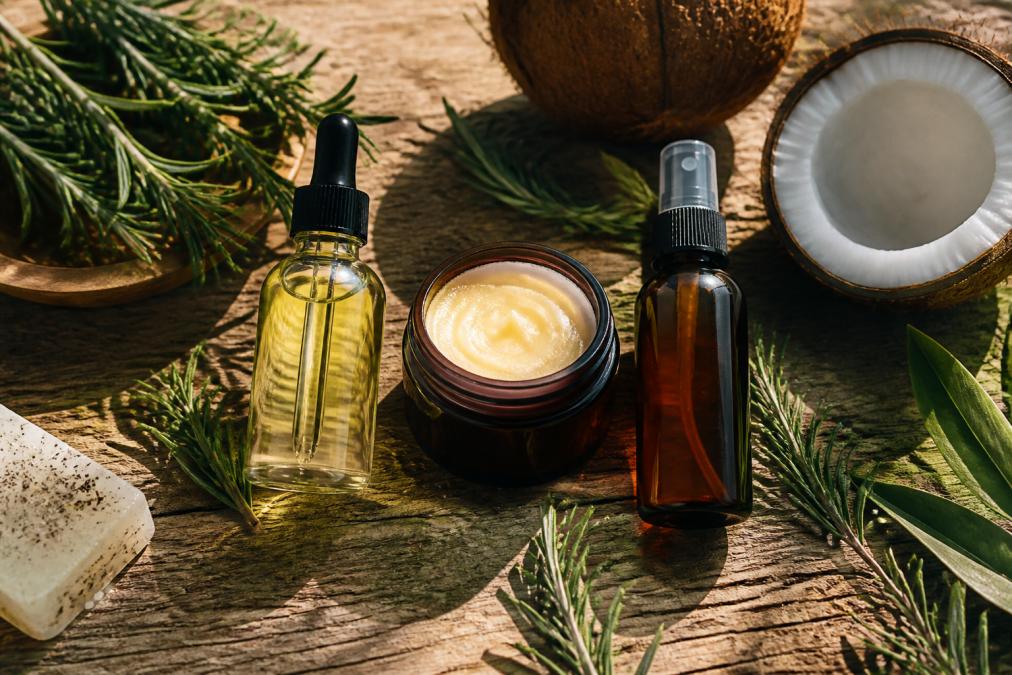
The Giluxe Organic Hair Growth Oil targets scalp health, the root cause of many hair concerns. This botanical blend combines rosemary, castor oil, olive oil, jojoba oil, argan oil, coconut oil, tea tree oil, and vitamin E to address breakage at its source rather than masking damage.
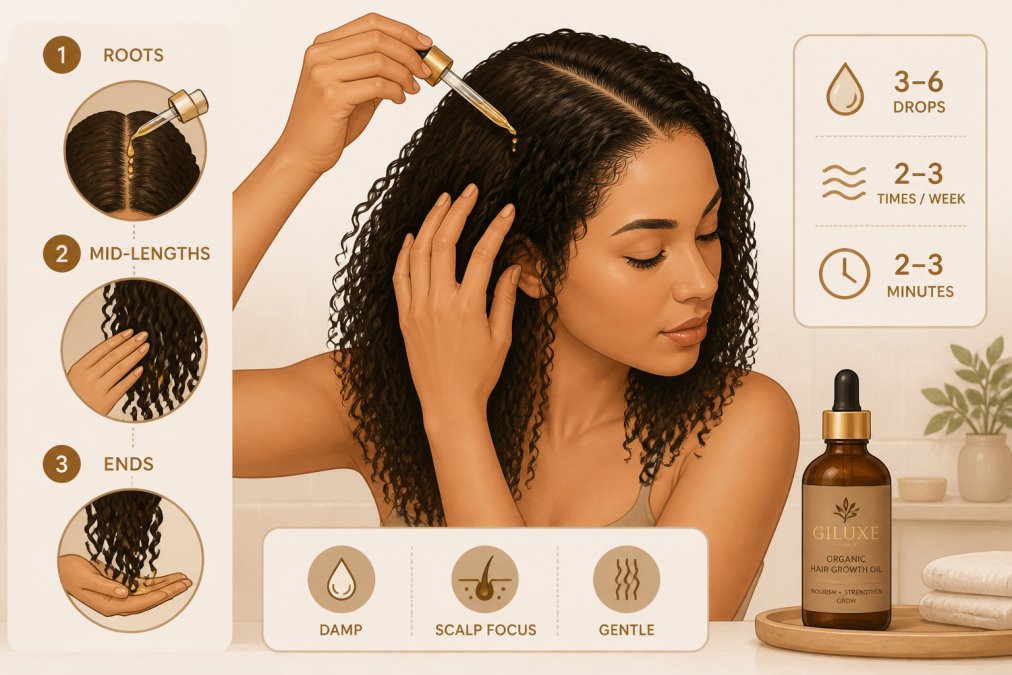
The lightweight formula penetrates quickly without greasy residue. Apply to damp roots before bed or use as a weekly intensive treatment. Tea tree oil manages scalp irritation and supports a healthy microbiome, while vitamin E provides antioxidant protection.
At $24.99, the bottle delivers 30-40 applications, roughly $3-4 per use. For weekly application, that's 6-8 months of treatment.
Pros:
Cons:
The Luxury Organic Hair Pomade delivers hold without stiffness or buildup. Formulated with rosemary, castor oil, olive oil, jojoba oil, argan oil, coconut oil, shea butter, and vitamin E, it provides flexible hold that moves with your hair.
Shea butter provides structure while remaining pliable, so hair doesn't feel shellacked. The botanical oil blend ensures moisture retention, critical for textured and curly hair. A dime-sized amount works for medium-length hair.
At $19.99, a 4-ounce jar lasts 2-3 months with daily use.
Pros:
Cons:
The Hydrating Tonic for Hair bridges treatment and daily maintenance. This lightweight spray mist uses rosemary, ginger, cinnamon, clove, and avocado seed extract to refresh hair without requiring a full wash cycle.
Rosemary and ginger stimulate blood flow to the scalp. Cinnamon and clove provide antioxidant protection. Avocado seed extract delivers lightweight moisture that absorbs quickly. Apply to damp hair after showering or mist lightly onto dry hair for a refresh.
At $21.99, the tonic costs roughly $0.27 per ounce. An 8-ounce bottle lasts 3-4 weeks with daily use.
Pros:
Cons:
Giluxe offers three bundle options that reduce per-product cost while creating complete routines. The Hydrating Tonic & Pomade Duo ($39.99) pairs daily hydration with styling control. The Hydrating Tonic & Hair Growth Oil Duo ($42.98) combines daily refreshment with weekly scalp treatment. The Hair Growth Oil & Pomade Set ($40.99) focuses on nourishment and styling.
Bundle pricing saves approximately 8-10% compared to buying individually. More importantly, bundles encourage complementary use: the tonic refreshes between treatments while the oil or pomade addresses specific concerns. This layered approach mirrors professional salon methods where stylists use multiple products for different purposes.
Curly and coily hair requires specific attention because the curl pattern makes moisture retention difficult. Water travels down straight hair naturally, but curls trap moisture inconsistently. Organic serums designed for curly hair address this by using heavier botanical oils that coat the hair cuticle without silicone.
The Giluxe Organic Hair Growth Oil works particularly well for curly-haired users because argan and coconut oils provide moisture while the lighter formula prevents buildup that makes curls look dull.

Apply the serum to damp mid-lengths and ends after shampooing, targeting areas that need moisture most. Weekly oil treatments transform texture within 4-6 weeks: curls become bouncier, breakage decreases, and frizz reduces as the hair cuticle smooths.
Conventional products often contain silicones that promise shine but build up over time, eventually making curls look limp. Organic alternatives work with your curl pattern rather than against it.
Switching from conventional to organic hair products triggers a detoxification period. Your scalp has adapted to synthetic surfactants and silicone coatings. When you stop using them, your scalp overproduces oil for 2-4 weeks as it recalibrates. This is normal and temporary.
Expect greasier hair during weeks 1-3. This isn't a sign that organic products don't work; it's evidence that your scalp is adjusting. By week 4, most people notice their scalp producing less oil naturally, and by week 6, hair typically stabilizes at a healthier baseline.
Start with a clarifying wash before beginning your organic routine. Use a chelating or clarifying shampoo once to remove silicone and product buildup. After that, use organic products exclusively for at least 6 weeks before evaluating results.
Water hardness affects the transition period. If you have hard water, consider installing a shower filter or using a rinse with diluted apple cider vinegar to remove mineral buildup.
Transition timeline:
Don't switch products mid-transition. Pick your routine and commit for 6-8 weeks. The Hydrating Tonic provides daily refreshment during the transition, while the Hair Growth Oil or Pomade addresses specific concerns without disrupting rebalancing.

Not all botanical ingredients are beneficial. Understanding what to avoid helps you navigate organic product labels with confidence.
Synthetic fragrances are the most common culprit. Even products labeled "natural" often contain synthetic fragrance compounds that irritate sensitive scalps. Look for products scented with essential oils or botanical extracts instead.
Certain essential oils concentrate irritants. Peppermint oil can cause tingling or irritation on sensitive scalps. Cinnamon and clove oils are gentler but warrant caution if you have reactive skin. Tea tree oil is antimicrobial but can be drying if overused. The key is concentration; small amounts in a balanced formula differ from undiluted essential oils.
Synthetic preservatives appear in some "organic" products because preservatives prevent bacterial and mold growth. Parabens, phenoxyethanol, and methylisothiazolinone are common synthetic preservatives. Look for products using natural preservatives like vitamin E, rosemary extract, or potassium sorbate instead.
Heavy silicones like dimethicone, cyclopentasiloxane, and amodimethicone coat the hair but don't penetrate, creating buildup over time. Avoid these in organic products. The best approach is avoiding silicones entirely in favor of botanical oils that nourish rather than coat.
Sulfates (sodium lauryl sulfate, sodium laureth sulfate) create lather but strip natural oils aggressively. Sulfate-free products use gentler surfactants derived from coconut or other plants that clean effectively without harsh stripping.
Switching to non-toxic, organic hair products delivers benefits extending beyond immediate hair appearance. The shift impacts scalp health, long-term hair strength, and systemic health through reduced chemical absorption.
Your scalp absorbs what you apply to it. Conventional hair products contain compounds that penetrate the skin barrier and enter the bloodstream. Parabens have been detected in breast tissue and are endocrine disruptors in some studies. While regulatory bodies consider typical cosmetic exposure safe, choosing products that don't require this risk calculation is reasonable. Non-toxic products eliminate this concern entirely.
Scalp microbiome health improves with organic products. Your scalp hosts beneficial bacteria that regulate oil production, fight pathogens, and maintain pH balance. Harsh synthetic surfactants disrupt this ecosystem, triggering inflammation, dandruff, and excessive oiliness. Organic products with botanical ingredients like tea tree oil support beneficial bacteria while controlling problematic strains.
Hair elasticity and strength increase as you stop using silicone-based products. Silicones create temporary shine and smoothness but don't repair damage. When you stop using them, your hair initially looks worse, but over time, you're working with healthier hair. The cuticle lies flatter, moisture retention improves, and breakage decreases.
Environmental impact matters for eco-conscious consumers. Conventional hair products contain ingredients that don't biodegrade readily, accumulating in waterways and harming aquatic ecosystems. Organic, plant-based formulas biodegrade completely, and sustainable packaging reduces waste.
Understanding certifications separates genuinely organic products from marketing claims. The cosmetics industry uses "organic," "natural," and "clean" loosely because these terms aren't federally regulated.
USDA Organic certification is the gold standard. Products carrying this seal contain at least 95% certified organic ingredients. The remaining 5% must be on an approved list of non-organic substances necessary for product stability or function. This certification requires third-party verification and annual audits.
Ecocert and COSMOS certifications are European standards increasingly recognized in the United States. They verify organic content, sustainable sourcing, and ethical manufacturing. Products with these certifications typically exceed 95% natural content and exclude synthetic fragrances and preservatives.
Cruelty-free and vegan certifications indicate ethical sourcing. Cruelty-free means no animal testing. Vegan means no animal-derived ingredients. These certifications matter if ethical sourcing aligns with your values.
Third-party testing adds transparency. Some brands submit products to independent labs that verify ingredient purity and test for contaminants. Reputable brands publish these test results.
Label transparency matters. Quality organic brands list ingredients in descending order by concentration, use recognizable botanical names, and explain what each ingredient does. Giluxe products prioritize ingredient transparency, listing botanical components like rosemary, castor oil, and argan oil prominently rather than hiding them behind proprietary blends.
Some botanical names sound chemical. Olea europaea is olive oil. Ricinus communis is castor oil. These Latin names are standard in the industry. If you see an unfamiliar name, research it; it's likely a botanical extract with a scientific name.
The best organic hair products combine botanical effectiveness with transparent sourcing and genuine ingredient quality. Giluxe's collection addresses this by offering targeted solutions: the Organic Hair Growth Oil for scalp nourishment, the Luxury Organic Hair Pomade for styling, and the Hydrating Tonic for daily maintenance. Each product uses botanical extracts like rosemary, argan oil, coconut oil, and jojoba oil without synthetic fragrances or silicone coatings.
The transition to organic products requires patience. Expect a 4-6 week adjustment period as your scalp rebalances, then sustained improvements in elasticity, shine, and breakage reduction. Bundle options like the Hydrating Tonic & Hair Growth Oil Duo ($42.98) make building a complete routine affordable while encouraging the complementary use that drives results.
Look for clear ingredient information and recognized organic certifications when applicable. The word “organic” can describe certain ingredients without necessarily meaning the entire finished product is certified organic. Review the ingredient list and product labeling carefully to understand exactly what you are purchasing.
For curly hair, look for lightweight products that help moisturize, soften, and improve manageability without leaving excessive buildup. Botanical oils such as jojoba, argan, and castor oil are commonly used in curly-hair routines. Giluxe Hair Growth Oil can be incorporated into a curly-hair routine to help nourish and condition dry-feeling hair and scalp while adding softness and shine.
Results vary depending on your hair type, condition, styling habits, previous products, and how consistently you follow your routine. Some people may notice changes in softness, moisture, or manageability sooner than others. Give your new routine time, follow the product directions, and adjust the amount or frequency based on how your hair and scalp respond.
Organic hair products may be worth the higher price when their formulations, ingredients, quality, and performance match your hair-care needs. Rather than choosing a product based on the word “organic” alone, compare the ingredient list, product size, directions, and intended benefits. Giluxe offers botanical-focused hair-care options designed to support moisture, nourishment, styling, and healthier-looking hair.
Yes, a hair-care brand can offer different products designed to support both dry-feeling hair and scalp care. The key is choosing products based on your individual needs. For example, Giluxe Hydrating Tonic can help refresh and hydrate the scalp, while Giluxe Hair Growth Oil helps nourish and moisturize dry-feeling hair and scalp while adding softness and shine. Results can vary by hair and scalp type.
This article was written using GrandRanker


