Your cart is empty
Tax included and shipping calculated at checkout

Drawer menu
Tax included and shipping calculated at checkout

Last Updated: August 31, 2026
Finding the best organic shampoo for dry hair requires understanding which botanical ingredients restore moisture at the cellular level, not just coat the surface. Dry, brittle hair needs formulas that hydrate while protecting the hair cuticle from further damage.
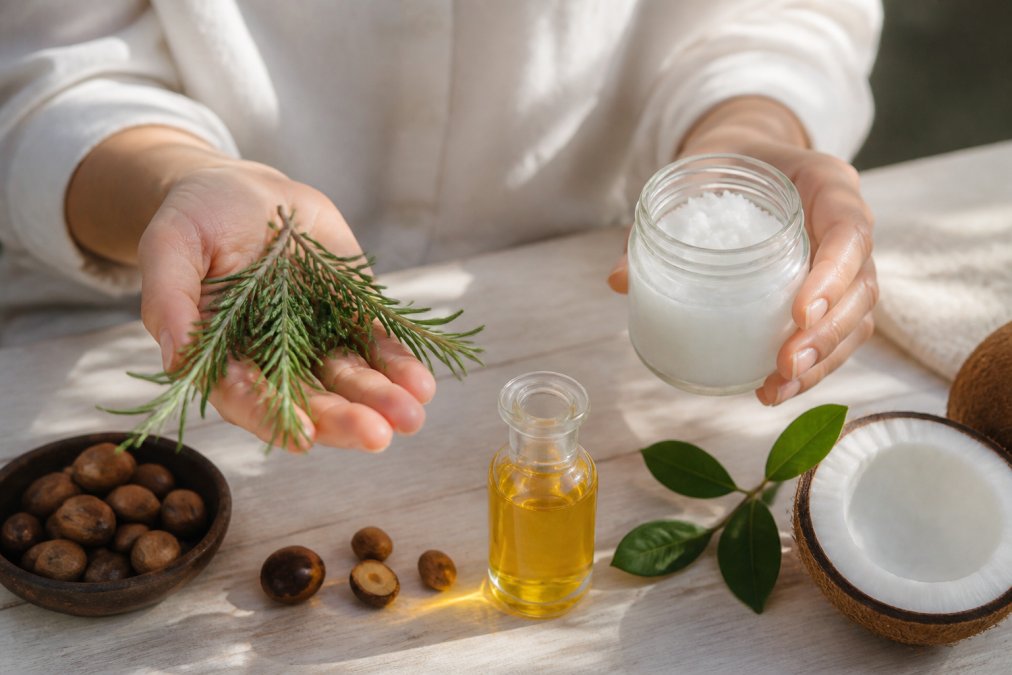
When shopping for a shampoo for dry hair, look beyond marketing language. The real difference lies in three core elements: how the product cleanses, what moisturizing agents it contains, and whether it supports scalp health.
The best organic shampoo for dry hair contains plant-based moisturizers that penetrate rather than sit on the surface. Glycerin and natural humectants draw water into the hair shaft (peer-reviewed research). Cold-pressed oils like coconut, jojoba, and argan provide both immediate slip and lasting hydration without the greasy residue that silicones create.
Shea butter and botanical butters soften the hair cuticle, reduce friction during washing, and lock in moisture. The formula should feel nourishing as you apply it, not stripping. If a shampoo makes your hair feel tight immediately after use, it's working against you.
Look for named ingredients in the top five items on the label. Rosemary, ginger, avocado seed, and cinnamon extracts are common in effective formulas because they support scalp health and moisture retention.
Botanical extracts serve multiple purposes in organic shampoo formulas. Rosemary stimulates circulation to the scalp. Ginger and cinnamon warm the scalp and encourage blood flow, supporting a healthier scalp microbiome that directly affects how your hair holds moisture.
Essential oils should be used intentionally. A few drops of tea tree oil can help balance sebum production, while lavender supports scalp calm. The key is balance: too much essential oil can irritate sensitive scalp skin.
Formulas that prioritize botanical ingredients typically include them throughout, not just in the top notes, so you get consistent benefit from wash to wash.
Sulfate-free formulas are non-negotiable for dry hair. Sulfates strip natural oils aggressively, leaving dry hair feeling worse after each wash (peer-reviewed research). Plant-based surfactants derived from coconut or other botanical sources clean effectively while maintaining the hair's natural protective layer.
When you switch from sulfate shampoo to sulfate-free, your scalp initially produces more oil because it's been overcompensating for years of stripping. This is your scalp healing, not a sign the product isn't working.
A shampoo, even the best organic shampoo for dry hair, is only part of the solution. The scalp itself needs targeted care to maintain long-term moisture and health.
Your scalp is skin with its own microbiome, pH balance, and moisture needs. When the scalp is dry or inflamed, the hair growing from it reflects that stress. You'll see increased breakage, dullness, and texture problems that no conditioner alone can fix.
A healthy scalp produces the right amount of sebum. This natural oil travels down the hair shaft, protecting it and maintaining elasticity. When the scalp is compromised by harsh products, sebum production either shuts down (dry scalp, dry hair) or overcompensates (oily scalp, dry ends).
The scalp microbiome, the balance of bacteria and fungi living on your skin, influences moisture retention (peer-reviewed research). When this balance is disrupted, inflammation increases and moisture retention decreases.
Shampoo is the foundation, but a complete dry hair routine includes hydration between washes. A hydrating tonic or lightweight spray refreshes the scalp and hair without requiring a full wash. These products work best when formulated with the same botanical philosophy as your shampoo.
A nourishing hair oil applied to damp hair after shampooing seals in moisture and provides deep conditioning. Work it through the mid-lengths and ends, avoiding heavy buildup at the roots. For textured or coily hair, oils are essential to reduce breakage and restore elasticity.
Weekly or bi-weekly deep conditioning treatments give dry hair an intensive moisture boost. The routine becomes: gentle shampoo, hydrating tonic for daily refresh, nourishing oil for conditioning, and occasional deep treatments.

Knowing what to exclude is equally important as knowing what to include.
Silicones coat the hair shaft, creating an illusion of smoothness. Over time, they build up and prevent new moisture from entering. For dry hair, silicones create long-term problems.
Parabens are preservatives that may disrupt the scalp microbiome. Many people with sensitive or dry scalps notice improvement when they switch to paraben-free formulas.
Synthetic fragrances often contain allergens and irritants that trigger scalp inflammation and dryness. Natural botanical scents from essential oils are gentler and provide functional benefits.
Alcohol in hair products is drying. Check ingredient lists for "alcohol denat" or "isopropyl alcohol," common culprits in products marketed as "lightweight."
Switching from conventional shampoo to botanical formulas triggers a transition period that catches most people off guard.
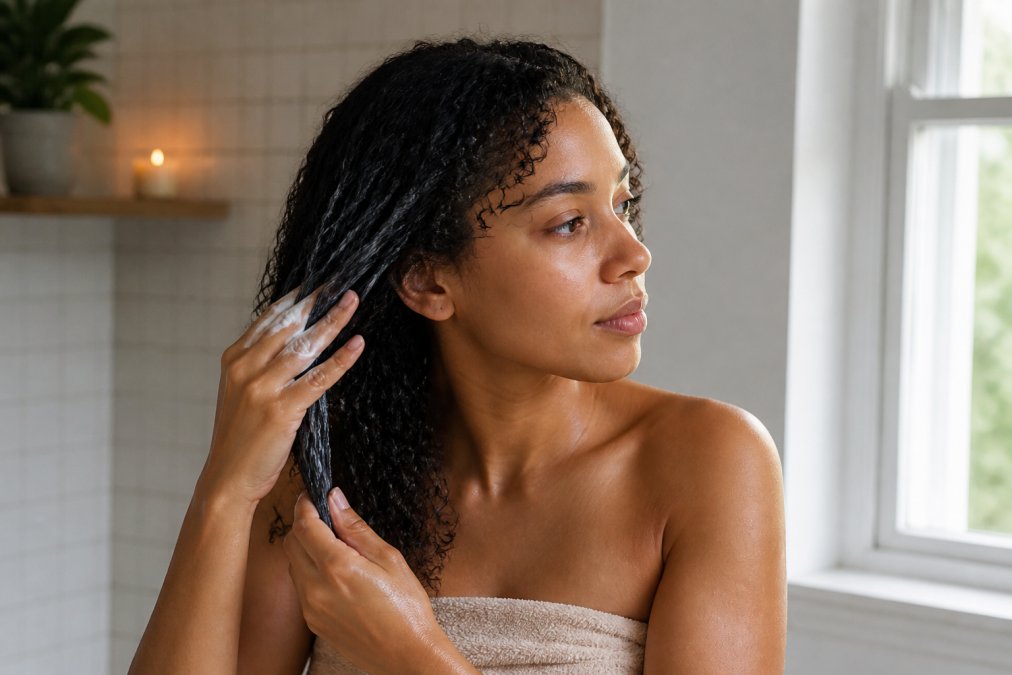
The first week or two after switching to sulfate-free, botanical shampoo often feels worse before it gets better. Your scalp has been stripped by sulfates for years, so it compensates by producing excess oil. This is temporary.
Most people see improvement by week three. The scalp regulates, excess oil production normalizes, and hair begins to feel softer and more hydrated. By week four to six, the full benefits emerge: improved elasticity, reduced breakage, and genuine shine.
If you're past week three and still experiencing excessive oiliness, your formula might not be right for your hair type. Try one with a lighter texture or fewer oils.
Residue buildup sometimes occurs if you're using too much product or if your water is hard. A diluted vinegar rinse or chelating treatment designed for botanical products helps remove mineral buildup without stripping.
Flaking or itching during transition usually means your scalp is detoxifying. This typically resolves within two weeks. If it persists, the formula might contain an ingredient your scalp is sensitive to.
Some people find their hair texture changes during transition. Curly hair might look wavier initially as it adjusts to the new moisture balance. Give it at least four weeks before deciding if you like the results.
Conventional shampoos prioritize lather and immediate softness through sulfates, silicones, and synthetic conditioners. You wash, your hair feels silky, you're happy. The problem emerges over months as buildup accumulates and your scalp becomes dependent on these harsh-then-soothing cycles.
Botanical formulas work with your hair's natural biology. They cleanse without stripping, so your scalp doesn't need to overproduce oil. They hydrate through actual moisture penetration, not coating. The immediate feel might be slightly less dramatic, but long-term results are superior.
The scalp microbiome adapts to botanical formulas in ways it doesn't with conventional products. This adaptation takes time, usually four to eight weeks, but once established, it's stable. Your scalp learns to maintain proper moisture and pH balance naturally.
A complete dry hair routine extends beyond shampoo. The products you use between washes determine whether your hair stays moisturized or gradually dries out further.
A hydrating tonic is a lightweight spray that refreshes your hair and scalp without requiring a full wash. Between shampoo days, a botanical hydrating tonic reintroduces moisture and botanical nutrients.
The Giluxe Hydrating Tonic for Hair is formulated specifically for this purpose. It's a mist that delivers lightweight hydration to dry hair and scalp, improving manageability while reducing frizz and boosting natural shine. Because it's non-greasy and fast-drying, it works for all hair types.
Application is simple: spray onto damp hair after your morning shower, or mist throughout the day when your hair needs refreshing. The lightweight botanical formula doesn't create buildup, so you can use it daily without concern.
A nourishing hair oil provides deep conditioning and scalp support between shampoos. Unlike lightweight hydrating tonics, oils are meant to stay in the hair longer.
The Giluxe Organic Hair Growth Oil combines cold-pressed botanical oils, coconut, jojoba, argan, castor, olive, with vitamin E and botanical extracts like rosemary and tea tree. This blend nourishes the scalp, reduces the appearance of breakage, and leaves hair feeling silky and hydrated without greasy residue.
Apply to damp (not soaking wet) hair, focusing on mid-lengths and ends. For textured or coily hair, work it through every section to ensure even distribution and maximum breakage reduction. Leave it on for at least 30 minutes, or overnight for intensive conditioning.
For dry scalp specifically, massage a small amount of oil directly into the scalp, then distribute the excess through the hair. Weekly oil treatments combined with the hydrating tonic create a comprehensive moisture routine.
Finding the best organic shampoo for dry hair means choosing a formula that genuinely hydrates rather than just coating the surface. Look for sulfate-free, plant-based cleansers with named botanical ingredients like rosemary, coconut oil, and argan oil. Pair your shampoo with complementary products, a hydrating tonic for daily refresh and a nourishing oil for deep conditioning, to build a complete routine that addresses both hair and scalp health.
Giluxe offers a complete botanical hair care system designed for dry, brittle hair. The Hydrating Tonic provides lightweight daily moisture without buildup, while the Organic Hair Growth Oil delivers deep nourishment and scalp support. Together with a sulfate-free shampoo, these products create the foundation for healthier, more hydrated hair. Explore the full Giluxe collection to find the routine that works for your hair type and needs.
The best organic shampoo for dry hair combines sulfate-free cleansing with moisture-rich botanical ingredients like argan oil, coconut oil, jojoba oil, and plant-based extracts. Look for formulas that are pH-balanced, paraben-free, and designed to hydrate rather than strip. Giluxe's botanical approach focuses on gentle cleansing paired with complementary products like hydrating tonics and hair growth oils to address dryness at the scalp level.
Avoid sulfates (which strip natural oils), silicones (which create false shine but trap moisture), parabens, and synthetic fragrances that can irritate a sensitive scalp. Harsh surfactants and alcohol-based formulas also worsen dryness. Instead, seek out sulfate-free, naturally derived cleansers that preserve your hair's natural sebum production and moisture retention. Botanical shampoos typically exclude these damaging ingredients.
Botanical shampoos use plant-based surfactants and natural extracts instead of synthetic chemicals. They're gentler on hair cuticles, support scalp microbiome health, and avoid harsh sulfates that strip moisture. Conventional formulas often prioritize lather and speed, while botanical options focus on nourishment and long-term hair health. The result is softer, more hydrated hair with improved elasticity and reduced breakage over time.
Most people with dry hair benefit from washing 2-3 times per week with organic shampoo, allowing natural oils to build between washes. However, this varies by hair type and scalp condition. Between washes, use a hydrating tonic or lightweight mist to refresh without disrupting moisture balance. If your scalp feels oily but hair remains dry, focus cleansing on the scalp and use conditioning treatments on the hair shaft.
Yes, organic shampoos with botanical extracts like tea tree oil, rosemary, and ginger can help soothe and balance a dry, itchy scalp. These ingredients support scalp health and reduce inflammation without harsh chemicals. Pair shampoo with a dedicated scalp treatment or hydrating tonic to address dryness at the root. Consistent use of sulfate-free, naturally derived formulas helps restore the scalp's natural pH balance and moisture.
This article was written using GrandRanker


