Your cart is empty
Tax included and shipping calculated at checkout

Drawer menu
Tax included and shipping calculated at checkout

Last Updated: August 25, 2026
The healthiest hair care brand isn't determined by marketing claims alone, it's built on thoughtfully selected ingredients, transparent sourcing, and formulas that actually deliver results without hidden trade-offs. When evaluating a hair care brand, you're essentially asking whether the company prioritizes scalp and hair health over profit margins, and whether it backs up its claims with real ingredient science.
At Giluxe, we believe that healthy hair starts with honest ingredient selection and a commitment to botanical formulations that work across diverse hair types. The brands worth your investment share several core characteristics: they disclose their full ingredient lists, avoid harmful additives like sulfates and parabens, and formulate with pH-balanced systems that respect your scalp's natural microbiome.
The foundation of any healthy hair care brand is ingredient transparency. A truly healthy brand lists every component on the label and explains why each ingredient is there. Look for botanical extracts, plant-based oils, and natural emulsifiers that nourish without buildup.
Harmful ingredients to watch for include synthetic fragrances, artificial dyes, and chemical preservatives that can irritate sensitive scalps. Sulfate-free formulas are essential because sulfates strip natural oils, leaving hair dry and prone to breakage. Similarly, silicone-free products prevent the waxy coating that makes hair appear shiny but actually blocks moisture from penetrating the hair shaft.
A healthy brand will prioritize bio-based ingredients and plant-derived compounds over synthetic chemicals whenever possible. This doesn't mean "all-natural" is always better, some synthetic ingredients are safer and more effective than their natural counterparts. What matters is intentional selection and honest labeling.
The best hair care brands submit their products to independent testing and proudly display certifications. Look for dermatologist-tested claims backed by actual testing protocols, not just marketing language. Cruelty-free certifications, vegan claims, and organic certifications from recognized bodies add credibility.
Brands that hide their ingredient sourcing or use vague terms like "proprietary blend" are prioritizing secrecy over transparency. A healthy brand will tell you where ingredients come from, how they're processed, and what makes their formulation different from competitors.
Third-party testing also matters for safety. Products tested for heavy metals, microbial contamination, and allergens demonstrate that the brand takes quality control seriously. This is especially important for scalp treatments and leave-in products that stay on your skin for hours.
A healthy scalp is the foundation for healthy hair. Many people focus entirely on the hair shaft while neglecting the scalp, which is a critical mistake. Your scalp is living skin that needs hydration, proper pH balance, and nourishment just like the rest of your body.
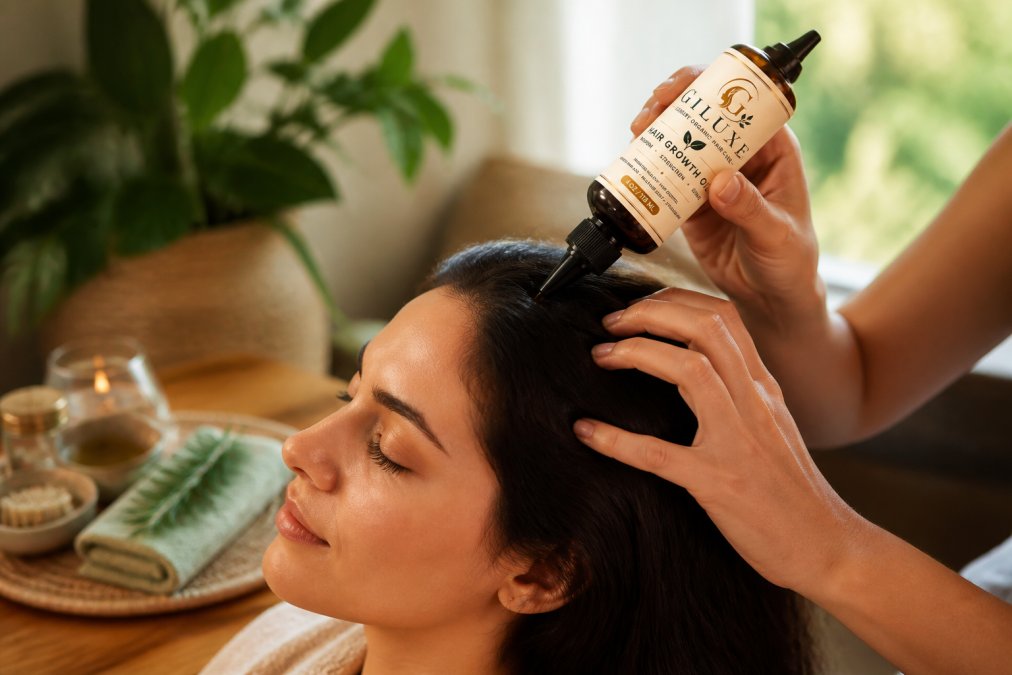
Your scalp hosts a complex ecosystem of bacteria and microorganisms that maintain scalp health when balanced. When you use harsh products or strip away natural oils, you disrupt this microbiome, leading to dryness, irritation, flaking, and excess oil production as your scalp overcompensates.
Microbiome-friendly hair care means using products that support this natural balance rather than trying to sterilize or over-control it. This approach reduces scalp inflammation and allows your natural sebum production to regulate properly. Products formulated with gentle botanical extracts and prebiotics help feed beneficial microorganisms while avoiding harsh surfactants that destroy the protective barrier.
The Giluxe Organic Hair Growth Oil supports scalp microbiome health through botanical ingredients that nourish without disrupting natural balance. This approach is particularly effective for people with sensitive scalps who've had negative reactions to conventional products.

Your scalp naturally sits at a pH of around 4.5 to 5.5, slightly acidic (peer-reviewed research). Most conventional shampoos are alkaline (pH 7 or higher), which temporarily raises scalp pH and opens the hair cuticle (peer-reviewed research). This makes hair feel clean in the moment but leaves it vulnerable to damage and moisture loss.
pH-balanced formulas maintain your scalp's natural acidity, keeping the hair cuticle closed and sealed. This protects moisture, reduces frizz, and minimizes breakage. Over time, pH-balanced products lead to noticeably stronger, shinier hair because the cuticle stays intact.
When shopping for a healthy hair care brand, check the pH if available. If it's not listed, that's a red flag, brands confident in their pH balance typically advertise it.
Botanical hair care leverages plant-derived compounds that have been used for centuries while meeting modern efficacy standards. These formulations offer genuine benefits that synthetic alternatives sometimes struggle to match, particularly around moisture retention and natural strengthening.
Plant-based oils and butters penetrate the hair shaft more effectively than silicone-based alternatives. Coconut oil, argan oil, and jojoba oil mimic your hair's natural sebum, allowing them to absorb rather than sit on the surface. This means your hair actually gets hydrated, not just coated.
Botanical extracts like aloe vera, chamomile, and green tea contain amino acids and antioxidants that strengthen the protein structure of your hair. These compounds help repair damage and reduce breakage at the root level, not just mask it temporarily.
Strengthening benefits compound over time. After consistent use of a botanical formula, most people notice less breakage during styling, reduced split ends, and improved elasticity. This is because botanical ingredients work with your hair's natural chemistry rather than against it.
Natural extracts offer complexity that single synthetic molecules can't replicate. A plant extract contains dozens of compounds working synergistically, whereas a synthetic ingredient is one isolated molecule. This complexity often translates to better results and fewer side effects.
That said, some synthetic ingredients are superior to natural alternatives. Synthetic preservatives, for example, are often safer and more stable than natural preservatives. The key distinction is intentional selection, a healthy brand chooses natural when it's genuinely better and synthetic when it's genuinely better, rather than making decisions based on marketing trends.
Botanical formulations also tend to be gentler on sensitive skin and scalps. People who've experienced irritation from conventional products often find relief with plant-based alternatives because natural extracts have lower rates of allergic reaction.
Curly and textured hair has fundamentally different needs than straight hair. The curl pattern makes it harder for natural sebum to travel down the hair shaft, resulting in drier ends even when the scalp produces plenty of oil. This is why curly hair is prone to breakage and frizz, it's not getting the moisture it needs.
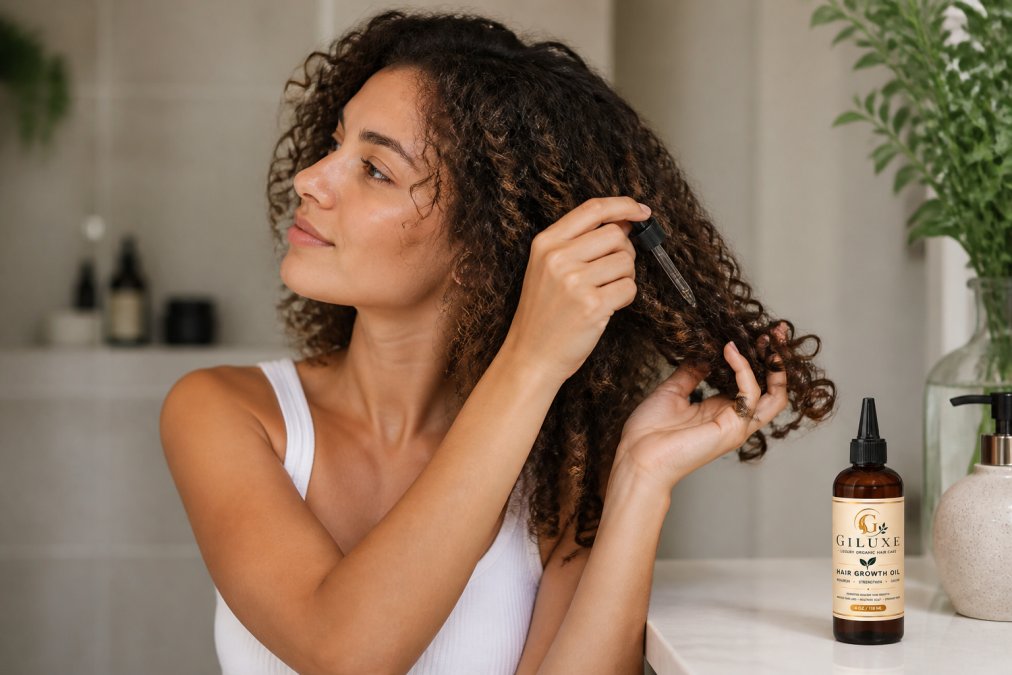
Curly hair requires heavier moisture but lighter products that won't weigh curls down or create buildup. This is a delicate balance that many conventional products fail to achieve. Heavy silicone-based serums coat the curl and flatten it. Lightweight products often don't provide enough moisture.
Organic serums formulated specifically for curly hair use lighter botanical oils and plant butters that provide moisture without weight. They typically include humectants, compounds that draw moisture from the air into the hair, which is essential for curly hair's moisture retention.
The curl pattern also means curly hair benefits more from leave-in treatments and serums than straight hair does. Because moisture doesn't travel naturally down the curl, you need to apply it directly to the mid-lengths and ends where it's needed most.
A good serum for curly hair should feel light when applied but provide noticeable moisture and definition. It shouldn't create crunch, flaking, or buildup after a few applications. The ingredient list should feature lightweight oils like jojoba, argan, or sweet almond oil rather than heavy coconut oil as the primary ingredient.
Look for serums that include proteins to strengthen the curl structure and humectants like glycerin or aloe vera to lock in moisture. Avoid products with silicones, which create temporary smoothness but ultimately lead to buildup and loss of curl definition.
The Giluxe Hydrating Tonic for Hair works well for curly textures because it's formulated as a lightweight mist rather than a heavy serum. This allows you to apply moisture directly where needed without weighing curls down. The botanical formula provides hydration while maintaining curl bounce and definition.

Certain ingredients are red flags for anyone seeking a truly healthy hair care brand. These compounds may provide short-term cosmetic benefits but compromise long-term hair health.
Sulfates are harsh surfactants that create lather and strip away oil. While this makes your hair feel clean, it removes the protective oils your scalp needs and leaves hair vulnerable to damage. Sulfate-free shampoos clean effectively without this stripping action.
Parabens are preservatives that extend shelf life but can accumulate in your body over time and disrupt hormone function. Many people experience scalp irritation from paraben-containing products. Paraben-free brands use alternative preservation methods that are equally effective and safer.
Silicones coat the hair shaft, creating temporary smoothness and shine. Over time, silicone buildup makes hair look dull and lifeless. Silicone-free products let your hair breathe and allow moisture to penetrate, leading to genuinely healthier hair rather than just the appearance of health.
Synthetic fragrances are a common allergen and irritant, particularly for people with sensitive scalps. Many synthetic fragrances contain phthalates, which are endocrine disruptors. A healthy brand uses essential oils or discloses its fragrance components rather than hiding behind the term "fragrance."
Artificial dyes are unnecessary in hair care products and serve no functional purpose beyond aesthetics. They're a common source of irritation and allergic reaction. Natural colorants like plant-based dyes or no added color at all is the healthier choice.
Switching to a healthier hair care brand often involves an adjustment period. Your hair and scalp have adapted to conventional products, and they need time to rebalance when you introduce cleaner formulas.
Many people experience what's called the "transition period" when switching to sulfate-free or cleaner products. During this phase, your scalp may produce excess oil as it adjusts to no longer being stripped by sulfates (peer-reviewed research). Your hair might feel greasier or look duller temporarily. This typically lasts 2 to 4 weeks.
This adjustment period is actually a sign that your scalp is rebalancing. It's producing oil because it needs to, not because the new product is inferior. Pushing through this phase is essential, if you switch back to conventional products, you reset the process.
To ease the transition, use less product than you think you need. Cleaner formulas are often more concentrated, so a small amount goes further. Wash your hair more frequently during the transition if needed, but use gentle products. Avoid heavy conditioners or serums until your scalp stabilizes.
Once your scalp adjusts, you can build a routine that actually works with your hair's natural chemistry. A sustainable routine typically includes a gentle cleanser, a lightweight conditioner, and targeted treatments for specific concerns.
For most people, a simple routine of cleansing 2 to 3 times per week with a sulfate-free formula and conditioning the ends is sufficient. Adding a weekly treatment like the Giluxe Organic Hair Growth Oil provides deep nourishment without requiring daily application.
The goal is simplicity and consistency. A three-product routine you use consistently will always outperform a ten-product routine you use sporadically. Choose products you actually enjoy using, because consistency is what drives results.
A truly healthy hair care brand considers environmental impact alongside personal health. This means responsible sourcing, minimal packaging waste, and ethical manufacturing practices.
Eco-conscious brands prioritize refillable packaging, which dramatically reduces waste compared to single-use bottles. Some offer subscription services where you receive refills in minimal packaging, reducing your environmental footprint while ensuring you never run out of products you rely on.
Sustainable sourcing means the brand knows where ingredients come from and ensures suppliers use ethical farming practices. Cruelty-free certification confirms that no animals were harmed in product development or testing. Vegan formulations exclude animal-derived ingredients, which appeals to consumers with ethical concerns.
Look for brands that publish sustainability reports and transparently discuss their environmental impact. Greenwashing, claiming environmental commitment without backing it up, is common in the beauty industry. A genuinely eco-conscious brand provides specifics: where packaging comes from, how much waste they've reduced, and what their long-term sustainability goals are.
Finding the healthiest hair care brand means prioritizing ingredient transparency, scalp health, and formulations that work with your hair's natural chemistry rather than against it. The brands worth your investment are those that educate customers about what they're buying, avoid harmful additives, and support scalp microbiome health through thoughtfully selected botanicals. Giluxe represents this approach, offering sulfate-free, paraben-free formulas infused with organic botanical ingredients designed to nourish and strengthen hair across all textures. Explore the Giluxe collection to discover how premium, transparent hair care can transform your routine and elevate your everyday self-care ritual.
Look for brands that use sulfate-free, paraben-free, and silicone-free formulas. Check for transparency, reputable brands disclose all ingredients and often carry third-party certifications. Prioritize products with plant-based ingredients, pH-balanced formulas, and evidence of dermatologist testing. Avoid synthetic fragrances and artificial dyes, which can irritate sensitive scalps. A truly healthy brand focuses on scalp health as the foundation and offers formulas suited to different hair types and textures.
Yes, botanical-based products can support scalp health when formulated correctly. Natural extracts contain bioactive compounds that nourish the scalp microbiome without disrupting its balance. Plant-based oils and herbal ingredients improve moisture retention and reduce inflammation, unlike harsh synthetic chemicals. However, effectiveness depends on formulation quality and ingredient concentration. Look for brands that use organic-inspired botanicals in meaningful amounts, not just token amounts for marketing. Dermatologist-tested botanical formulas offer the best assurance of safety and efficacy.
True clean hair care brands provide detailed ingredient lists, sourcing information, and third-party certifications, not just vague marketing claims about 'natural' or 'organic.' Greenwashing brands use buzzwords without backing them up with transparency or certifications. Check for specific commitments: sulfate-free and paraben-free formulas, cruelty-free practices, sustainable packaging, and clear ingredient sourcing. Genuine brands often explain why they exclude certain ingredients and what science supports their formulations. If a brand won't answer questions about certifications or ingredient origins, that's a red flag.
Curly hair serums are formulated with lighter, bio-based oils that absorb without leaving buildup or weighing curls down. They focus on frizz control, definition, and moisture retention specific to curl patterns. Regular serums often contain silicones that coat the hair shaft, which can flatten curls and cause product accumulation. Organic serums for curly hair use plant-based ingredients like argan oil, coconut oil, and botanical extracts that enhance natural texture while providing hydration and strengthening benefits without the heavy residue.
Most people notice initial changes within 1-2 weeks, though the full transition typically takes 4-6 weeks. During this adjustment period, your scalp may feel oily or your hair may appear duller as it sheds buildup from previous products. This is normal and temporary. Once your scalp microbiome rebalances and your hair adapts to clean formulas, you'll see improvements in texture, shine, and manageability. Patience during the transition period is key, results are worth the wait, but consistency matters more than expecting overnight transformation.
This article was written using GrandRanker


