Your cart is empty
Tax included and shipping calculated at checkout

Drawer menu
Tax included and shipping calculated at checkout

Last Updated: August 29, 2026
When choosing hair care, the ingredient list matters more than marketing claims. Organic hair care ingredients are plant-derived compounds formulated to nourish, strengthen, and hydrate without synthetic additives. However, not every natural ingredient is automatically safe, and organic labels don't always mean what you think.
Understanding organic hair care ingredients requires looking beyond buzzwords. You need to know what each ingredient does, how it works with your hair type, and whether it's been properly tested for safety. This guide walks you through ingredients that genuinely work, ones to avoid, and how to read labels like a professional.
Botanical oils form the backbone of effective organic hair care. These plant-derived compounds penetrate the hair shaft and nourish the scalp in ways water-based products cannot, providing hydration, protection, and shine without residue.
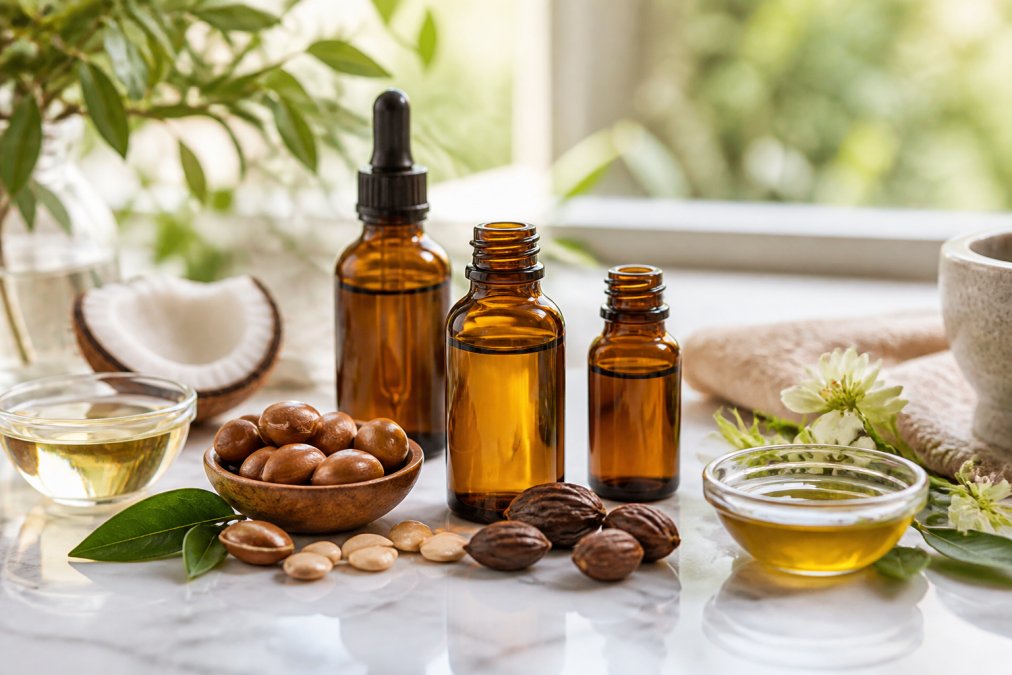
Cold-pressed oils retain more natural nutrients because they're extracted without heat, preserving beneficial compounds like antioxidants and vitamins. Argan oil, jojoba oil, and coconut oil are among the most effective cold-pressed options.
Jojoba oil is chemically similar to sebum, your scalp's natural oil, so it absorbs readily without greasy buildup.
Argan oil contains high levels of vitamin E and linoleic acid, which support the lipid barrier that locks moisture into hair strands. For textured and curly hair, this barrier function is critical for preventing breakage.
Coconut oil penetrates the hair shaft rather than just coating the surface, helping reduce protein loss from damaged or chemically treated hair. The trade-off: it can be too heavy for fine hair and solidifies below 76°F.
Essential oils are concentrated plant compounds, measured in drops rather than tablespoons. Peppermint, tea tree, lavender, and rosemary are the most effective for hair care.
Peppermint stimulates blood flow to the scalp and provides a cooling sensation for irritated scalps. Tea tree is antimicrobial and antifungal, useful for dandruff-prone scalps. Lavender and rosemary are anti-inflammatory, calming irritated scalps without intensity.
Never apply essential oils directly to your scalp undiluted, they're too concentrated and can cause irritation. Always mix them into a carrier oil or use formulations designed to dilute them properly. Products like the Giluxe Organic Hair Growth Oil blend essential oils and botanical extracts with carrier oils in safe, effective ratios.

Hair porosity determines how well your hair absorbs and retains moisture. Understanding your hair's porosity helps you choose the right botanical extracts.
Humectants like glycerin, aloe vera, and honey draw moisture from the air into your hair. They work by creating a moisture gradient that binds water molecules to your hair shaft. In humid climates they work beautifully; in dry climates they can pull moisture out if no moisture is available in the air.
Emollients like shea butter, cocoa butter, and plant-based alternatives smooth the hair cuticle and seal in moisture. The most effective formulations combine both: a humectant draws moisture in while an emollient seals it. This combination is especially beneficial for high-porosity hair that needs help both absorbing and retaining moisture.
Antioxidants like green tea extract, vitamin E, and resveratrol protect hair from oxidative stress caused by UV exposure, pollution, and heat styling. Anti-inflammatory botanicals like chamomile, calendula, and centella asiatica reduce redness and support scalp health. A complete routine should include both: antioxidants protect against future damage while anti-inflammatories address current irritation.
Not all ingredients labeled "natural" are beneficial. Knowing what to avoid is as important as knowing what to seek.
Sulfates like sodium lauryl sulfate strip oils from your scalp and hair, triggering overproduction of sebum and creating a cycle of greasy hair and frequent washing.
Silicones are synthetic polymers that coat the hair shaft, creating temporary smoothness but building up over time and preventing moisture penetration. Synthetic fragrances can irritate sensitive scalps; the term "fragrance" can hide dozens of undisclosed chemicals.
Parabens prevent bacterial and fungal growth but some research suggests they can mimic estrogen in the body. Phthalates make fragrances last longer but have been linked to hormonal disruption and aren't always listed on labels.
Organic formulations typically use plant-based preservatives or natural antioxidants, which are gentler but require careful product handling.
Understanding label format gives you real power to evaluate products before purchase.
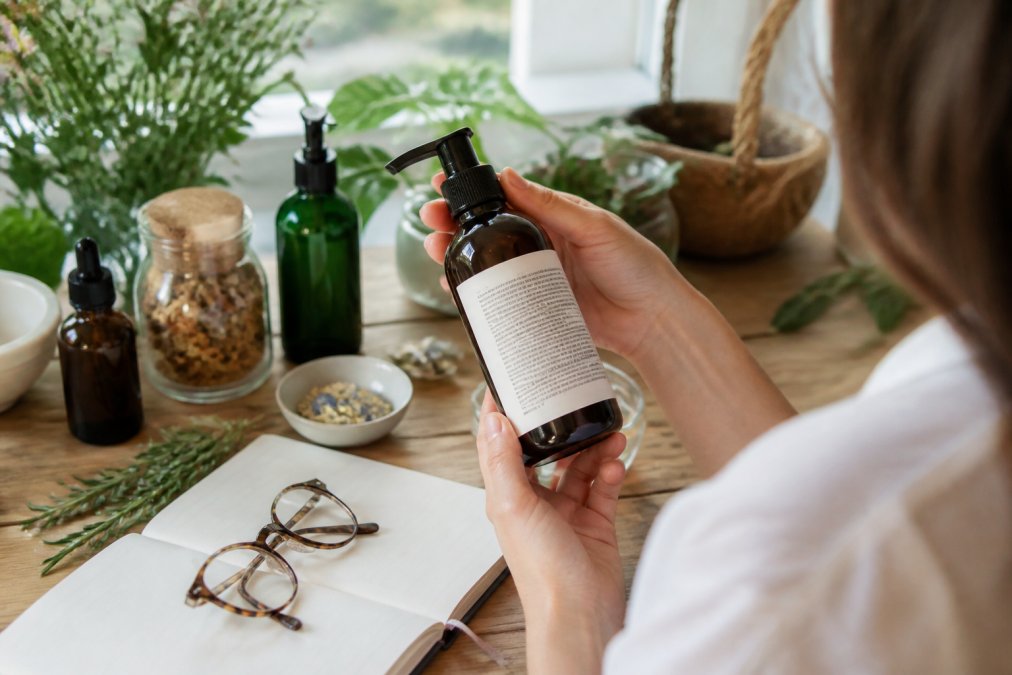
Ingredients are listed in descending order by weight. The first ingredient makes up the largest percentage; the last makes up the smallest. This tells you what the product actually is, not what marketing claims it is.
If water is first, the product is primarily water. If an oil is first, it's oil-based. If a beneficial botanical extract is listed 8th or 9th, it's present in minimal quantities with limited functional impact.
Pay attention to what's NOT listed. If a product claims to be "sulfate-free," verify that sodium lauryl sulfate and sodium laureth sulfate aren't hiding under alternative names.
The USDA Organic Certification is the gold standard in the United States (usda.gov). Products carrying the USDA Organic seal must contain at least 95% certified organic ingredients (excluding water and salt).
Third-party testing from organizations like NSF International or Ecocert adds credibility by testing for contaminants and verifying ingredient claims. Terms like "natural" or "plant-based" without certification are largely unregulated. Always look for specific certifications rather than relying on marketing language.
Giluxe products are formulated with botanical ingredients chosen for efficacy and safety. When evaluating any product, check for these verification markers.
The best organic ingredient is the one that works for your specific hair chemistry. Different hair types have different needs.
Textured and curly hair is naturally drier because the spiral shape prevents sebum from traveling down the hair shaft. This hair type needs humectants and emollients working together, plus ingredients that reduce breakage.
Look for products containing shea butter, coconut oil, and plant-derived humectants like glycerin. Protein-rich botanicals strengthen the hair shaft and reduce breakage. Avoid heavy silicones that weigh curls down; choose lightweight botanical oils like jojoba or argan. Giluxe formulations are designed with this principle in mind, lightweight hydration without buildup.
Fine hair is easily weighed down by heavy oils and butters. Look for products with aloe vera, light botanical extracts, and minimal oil content.
Protein-based botanicals are especially useful for fine hair because they can temporarily thicken the hair shaft and improve the appearance of density. Avoid heavy silicones or thick butters. Scalp health is critical for fine hair; choose scalp treatments with anti-inflammatory botanicals rather than heavy conditioning oils.
Sensitive scalps react to fragrances, sulfates, and certain botanical compounds. Choose products labeled hypoallergenic and fragrance-free with minimal ingredient lists.
Soothing botanicals like chamomile, calendula, and centella asiatica are generally well-tolerated by sensitive scalps. Always patch test new products on a small area of your scalp before full use. Apply a small amount behind your ear or on your inner arm and wait 24-48 hours to check for any reaction.
Individual ingredients matter, but how they interact matters more. Hair and scalp have an optimal pH around 4.5-5.5 (acidic) (peer-reviewed research). Most shampoos are formulated at this pH to maintain the hair cuticle's protective layer. When pH is too high, the cuticle lifts, causing frizz and breakage.
Quality organic formulations maintain proper pH while using plant-derived ingredients. Ingredient interactions also determine efficacy: humectants work best with emollients, and antioxidants work synergistically. A formulation with five well-chosen, compatible ingredients often outperforms one with twenty ingredients that don't work together.
Even plant-derived ingredients can trigger allergic reactions. Common allergens include tree nut oils (argan, coconut), essential oils, and certain plant extracts.
If you have a known nut allergy, avoid products containing tree nut oils. If you're sensitive to fragrance, choose fragrance-free formulations. Patch testing is the gold standard for identifying potential reactions before they happen.
Some reactions develop over time. If you notice itching, flaking, or irritation after using a new product for a week or two, stop using it and switch to something else.
Choosing safe, effective organic hair care comes down to understanding what's in the bottle and whether those ingredients match your hair's specific needs. The ingredient list is your roadmap.
Giluxe's botanical formulations are designed with this principle at the center: thoughtfully chosen ingredients that work together to nourish and strengthen hair without synthetic additives. Explore the Giluxe Organic Hair Growth Oil, Hydrating Tonic for Hair, and other products formulated to deliver real results for your hair type.

Organic on hair care labels typically means ingredients are grown without synthetic pesticides, fertilizers, or genetically modified organisms. However, 'organic' doesn't guarantee the entire product is organic, only the certified organic ingredients are. Look for third-party certifications like USDA Organic or NSF/ANSI 305 to verify claims. Not every natural or organic ingredient is automatically safe for all scalps, so patch testing remains important when switching products.
Common harmful ingredients to avoid in shampoo and hair care include sulfates (which strip natural oils), silicones (which build up over time), synthetic fragrances, parabens, and phthalates. These can irritate sensitive scalps or create residue that weighs hair down. Read ingredient lists carefully, these substances sometimes hide under chemical names. Nontoxic, sulfate-free, and silicone-free formulations offer gentler alternatives that still cleanse effectively without harsh buildup.
Cold-pressed oils like argan, jojoba, and coconut oil deliver deep hydration and moisture retention. Humectants such as glycerin and plant-derived hydrating agents draw moisture into the hair shaft. Botanical extracts including aloe vera and shea butter provide emollient properties that soften and protect. These ingredients work best when formulated at pH-balanced levels. For textured or curly hair, combining multiple hydrating botanicals reduces breakage and restores natural shine without greasy residue.
Start by reading the ingredient list in order, the first five ingredients make up most of the formula. Patch test new products on a small scalp area 24-48 hours before full use, especially if you have sensitive skin. Watch for common irritants like synthetic fragrances, essential oils in high concentrations, and preservatives you've reacted to before. Hypoallergenic, dermatologist-tested products reduce risk. If irritation occurs, discontinue use and consult a dermatologist. Keep records of ingredients that trigger reactions to spot patterns.
Essential oils are concentrated plant extracts used for fragrance and scalp-soothing benefits, they're potent and require dilution. Botanical extracts are broader plant-derived components like leaf infusions or seed oils that provide hydration, antioxidants, and anti-inflammatory properties. Essential oils work best in small amounts; overuse can irritate sensitive scalps. Botanical extracts are gentler and often used for their functional benefits like sebum regulation and hair follicle support. Both offer nontoxic alternatives to synthetic fragrances.
Patch testing prevents adverse reactions before applying products to your entire scalp and hair. Even natural and organic ingredients can trigger sensitivity, allergies, or scalp irritation in some people. Apply a small amount behind your ear or on your inner arm 24-48 hours before use. This allows time for any reaction to appear. Given the premium investment in quality organic products, patch testing protects both your scalp health and your purchase. It's especially important if you have a history of product reactions.
Look for third-party certifications on the label or product page, such as USDA Organic, NSF International, Ecocert, or COSMOS. These certifications verify that ingredients meet strict standards and aren't just marketing claims. Check the brand's website for transparency about sourcing and testing. Certified organic products often cost more because certification requires rigorous documentation. Be cautious of terms like 'natural' or 'plant-based' without certification, these lack regulatory oversight. Reputable brands like Giluxe provide ingredient transparency and testing details to build trust.
Organic ingredients work across hair types, but formulation matters. Textured and curly hair benefits from rich humectants and emollients that restore moisture and reduce breakage. Fine or thinning hair needs lightweight botanicals that nourish without buildup or heaviness. Sensitive scalps require hypoallergenic, dermatologist-tested options with gentle preservatives. The same botanical oil, like argan or jojoba, can benefit all types, but concentration and accompanying ingredients determine effectiveness. Matching ingredients to your specific hair concerns ensures better results than generic 'all hair types' claims.
This article was written using GrandRanker


